The ground is shifting beneath the North American supply chain. What worked for the past two decades—frictionless cross-border movement, just-in-time inventory, multi-country sourcing—is no longer viable. For companies managing electronics, automotive parts, consumer goods, and chemical products through Metro Vancouver, 2025 represents a fundamental reset.
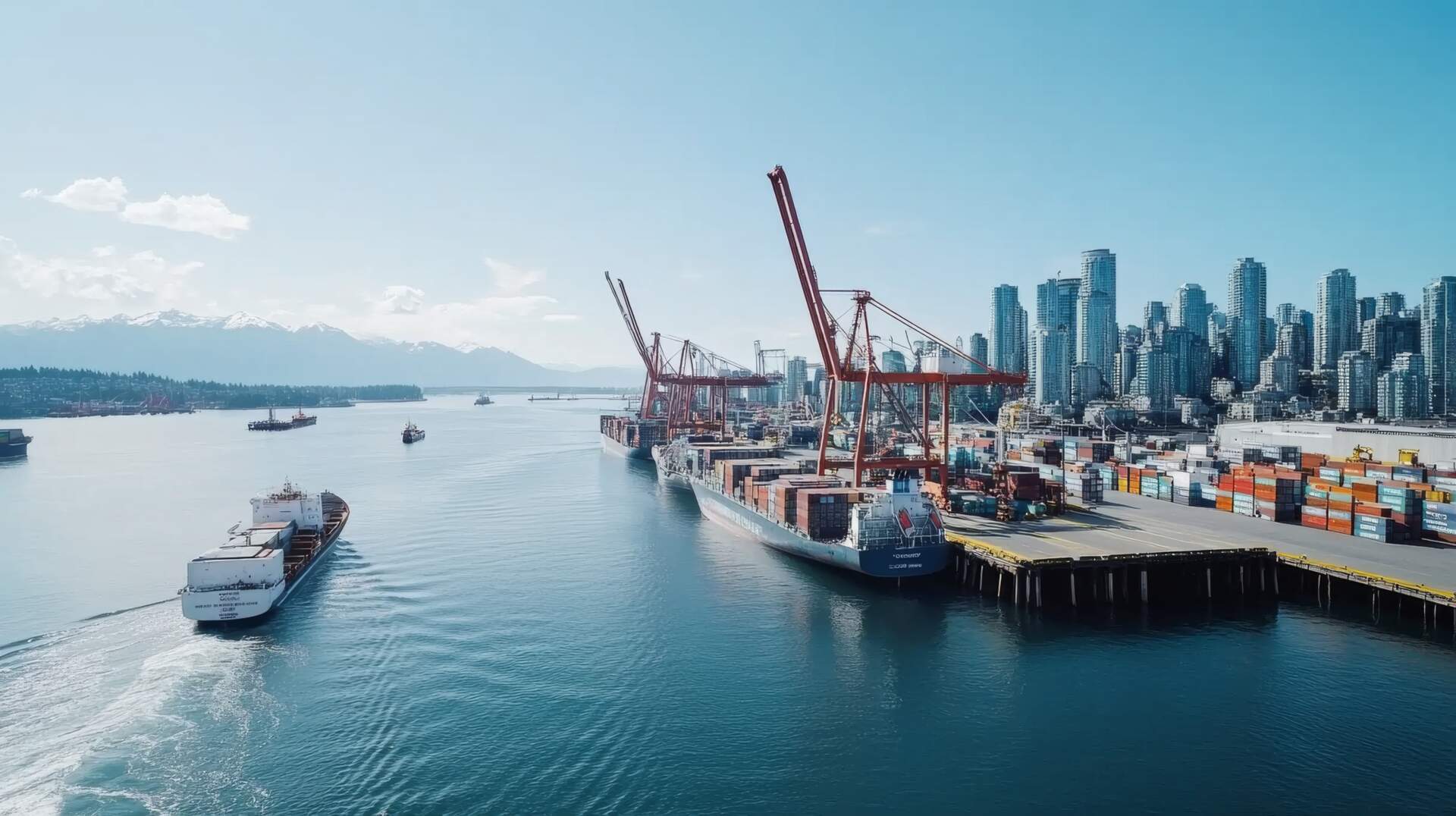
We’re not just experiencing another supply chain challenge. We’re living through what industry analyst Lora Cecere calls “a supply chain experiment” comparable to the Smoot-Hawley tariffs of 1930. Current supply chain practices weren’t designed for high-tariff, high-compliance environments. The question isn’t whether your strategy needs to change, but how quickly you can adapt.
The Cascading Cost Reality Nobody’s Talking About
Most tariff discussions focus on finished goods crossing the border once. That’s not how modern supply chains work.
Global supply chains were engineered for parts, sub-assemblies, and raw materials to cross borders multiple times. An automotive component might originate in Asia, get assembled in Mexico, receive finishing in the US, and cross into Canada for final distribution. Each border crossing now triggers tariff calculations, compliance documentation, and delay risk.
The math becomes exponential, not linear. A 10% tariff on finished goods sounds manageable. But when components cross borders three or four times during production, that 10% compounds at each stage. Industry estimates suggest the cumulative impact could add $5,000 to $12,000 annually to costs for the average North American consumer.
For businesses, the implications are more severe:
Lead times are expanding and becoming unpredictable. What took 14 days now takes 21, with variability that makes planning nearly impossible.
Working capital requirements are spiking. Companies already carry 23 more days of inventory than they did twenty years ago. Tariffs will drive this higher as businesses increase safety stock to buffer against uncertainty.
Cash flow is tightening. Higher inventory values tied up in goods subject to tariffs means less liquidity for operations. Companies will pressure suppliers to extend payment terms, creating ripple effects throughout the supply chain.
Why Canadian Warehousing Is Becoming a Strategic Asset
In this new environment, location isn’t just about logistics—it’s about risk mitigation.
Delta, BC, positioned adjacent to Canada’s largest port, offers unique advantages as trade patterns recalibrate. Here’s what’s changing:
The Nearshoring Imperative
Only 3% of US manufacturers with revenues under $500 million have the capability to reshore production domestically. The political rhetoric about bringing manufacturing home is optimistic but economically unrealistic for most mid-sized businesses.
The practical alternative? Nearshoring to Canada and strategic warehousing that minimizes border crossings while maintaining access to North American markets.
Companies are establishing Canadian distribution hubs to serve Canadian customers directly, eliminating repeated cross-border movements. What used to ship from a Chicago warehouse to Toronto retailers now ships from Delta to Toronto, cutting out tariff exposure and border delays entirely.
Trade Lane Recalibration
An unexpected consequence: US backlash in Canada and Mexico is prompting retailers to source from Europe and Asia rather than the United States. Oreos might ship from mainland Europe instead of Chicago. This means port traffic patterns are shifting in real-time.
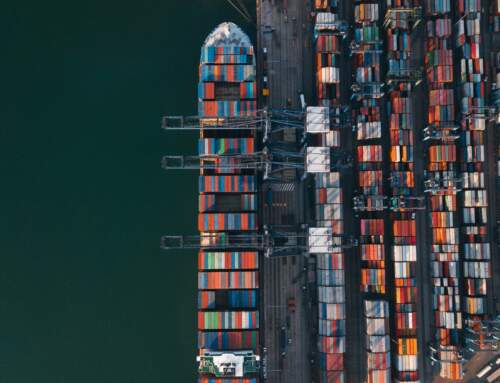
Vancouver’s Pacific gateway position becomes increasingly valuable as companies pivot Asian sourcing away from US ports toward direct Canadian entry. But this creates its own challenges—port congestion, container availability, and rail capacity constraints.
The Delta Advantage During Disruption
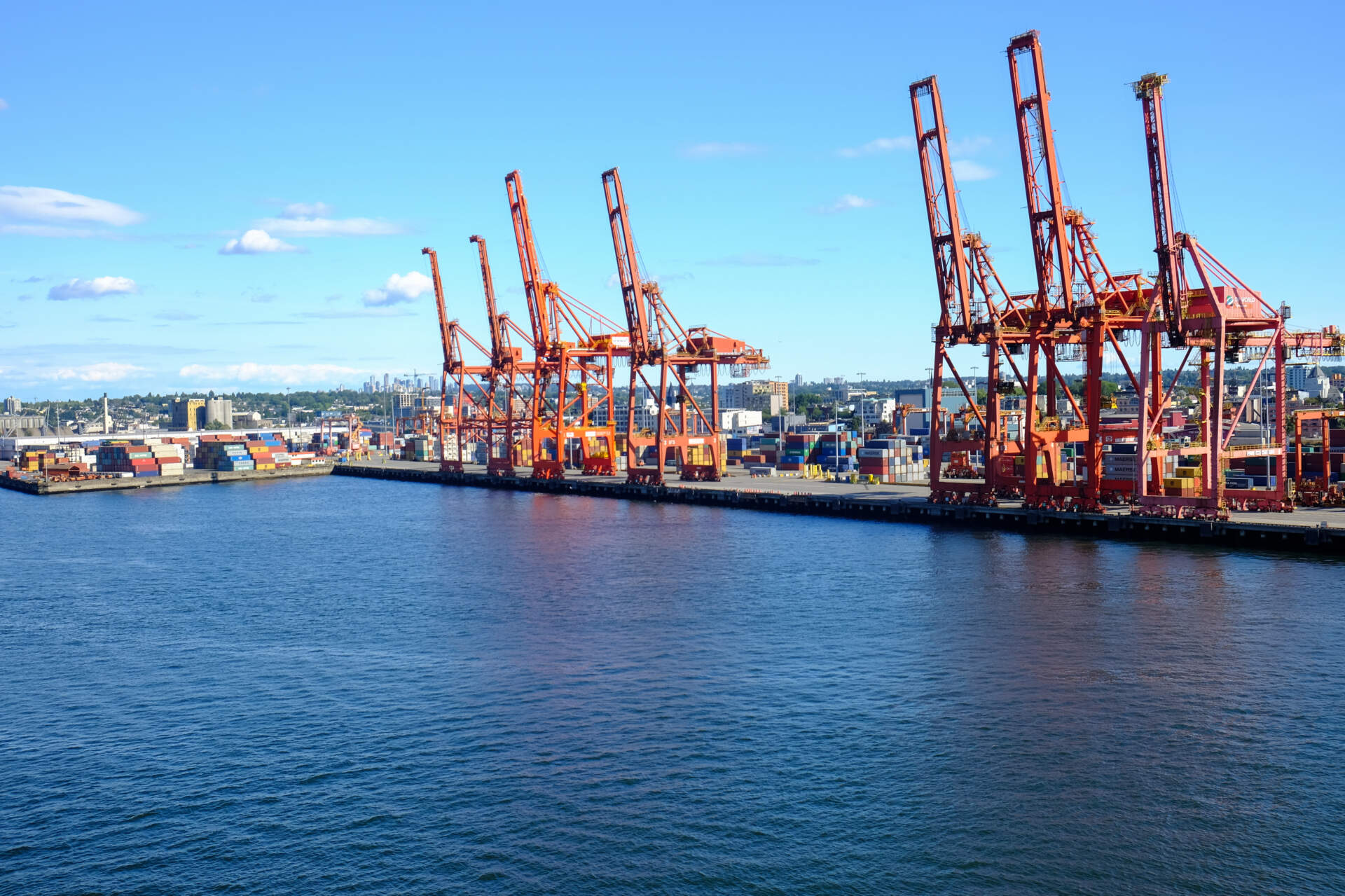
When containers are experiencing 15-to-20-day delays at Vancouver ports, proximity warehousing in Delta becomes critical. The difference between a facility 10 kilometers from the port versus 50 kilometers isn’t just convenience—it’s competitive advantage.
Companies using Delta-based 3PLs can:
- Quickly receive and process containers when they’re released from port holds
- Rapidly redistribute inventory to respond to demand shifts
- Maintain visibility over goods throughout the congestion cycle
- Avoid compounding delays from additional transportation legs
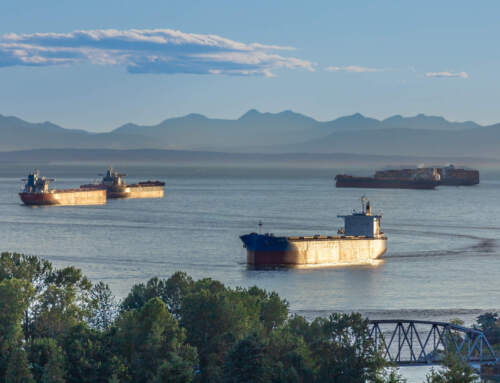
During the recent Vancouver port congestion crisis, dwell times for outbound containers reached 20-30 days due to rail issues. Smart companies had already positioned inventory in nearby facilities, allowing them to fulfill orders while competitors waited for rail capacity to free up.
What This Means for Your Business: Four Strategic ShiftsSupplier Diversification Is No Longer Optional
Relying on single-source suppliers or single-country sourcing creates unacceptable risk. Companies are actively developing multi-country sourcing strategies, even if it means higher unit costs. The insurance value of diversification outweighs the price premium.
For electronics and consumer goods companies, this means qualifying suppliers in Vietnam, India, and Southeast Asia alongside existing Chinese relationships. For automotive parts, it means balancing Mexican production with Canadian assembly options.
Inventory Strategy Must Evolve
The just-in-time model is dead for goods subject to tariff volatility. Safety stock levels need to increase, but indiscriminately adding inventory consumes cash and warehouse space.
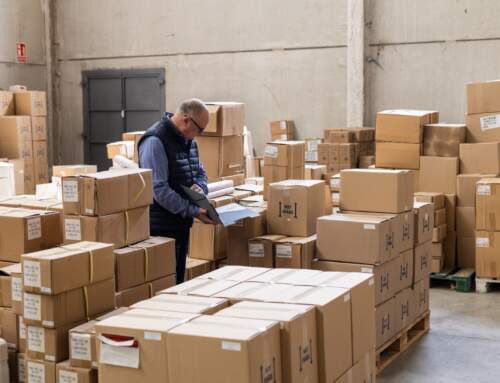
The solution lies in strategic inventory positioning. Hold higher stock levels of high-tariff, long-lead-time components. Maintain lean inventory for domestically sourced or tariff-exempt goods. Use Canadian warehousing to buffer against cross-border uncertainty while keeping inventory closer to end markets.
Warehouse Management Systems Become Mission-Critical
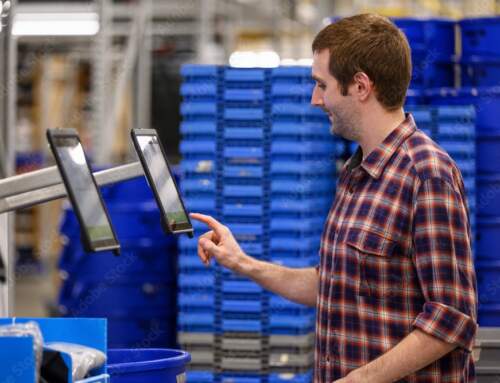
When inventory values are higher and variability is greater, you cannot afford inventory inaccuracy. Real-time visibility into stock levels, locations, and movement becomes essential—not just for operations, but for financial planning.
Modern WMS platforms provide the transparency needed to make daily decisions in a high-uncertainty environment. When tariffs change overnight or shipments get held at customs unexpectedly, you need to know exactly what inventory you have, where it is, and when it will be available.
Build Supplier Relationships Now
The supply chain bullwhip effect will intensify as uncertainty drives erratic ordering patterns. Shortages will increase. Companies with strong supplier development programs and collaborative relationships will outperform.
Only 30% of companies maintain active supplier development groups. In this environment, that’s a competitive differentiator. The suppliers who receive forecasts, share information openly, and get treated as partners will prioritize your orders when capacity constraints hit.
The Coming Demand Shock
While most executives focus on cost mitigation, the bigger risk is demand destruction.
Regional sentiment is redefining demand for US-branded goods globally. Tourism, agriculture, and spirits are already experiencing significant impacts. As companies lay off workers and retail prices increase, consumer spending will contract.
A potential recession would accelerate this trend. Supply chain planning must account not just for cost increases, but for volume decreases. Companies optimized for growth will need to rapidly pivot to scenarios involving 10-20% demand declines.
This is where flexible warehousing relationships provide a safety valve. Fixed warehouse costs become albatrosses in a declining market. Variable 3PL relationships allow you to scale capacity with actual demand.
No Playbook, Only Adaptation
There is no best practice guide for navigating this environment. Companies are tilling new ground. The supply chain models and planning systems that served businesses for the past two decades are becoming obsolete in real-time.
What worked last quarter may not work next quarter. Agility matters more than optimization. The companies that will thrive are those that:
- Monitor market data obsessively—both customer demand signals and supplier network health
- Build flexibility into their supply chain infrastructure through multi-modal options and backup capacity
- Invest in technology that provides real-time visibility and enables rapid scenario planning
- Cultivate strong relationships with logistics partners who understand the local market nuances
For companies operating in Metro Vancouver, this means taking a hard look at your warehousing and distribution strategy. Is your current setup designed for a world of tariffs, compliance complexity, and trade volatility? Or is it optimized for a paradigm that no longer exists?
The companies asking these questions now—and acting on the answers—will be the ones still standing when the dust settles.

About Canadian Alliance Warehouse and Transportation
Canadian Alliance provides customized warehousing and transportation solutions for businesses navigating today’s complex supply chain environment. Located strategically in Delta, BC, near Canada’s largest port, we help companies maintain flexibility, visibility, and control over their inventory through advanced WMS technology and responsive logistics services. Learn more at our facility at 600-4327 Salish Sea Way, Delta, BC.